1. Safety talk
The team explains how to avoid sticks, what to do if someone is exposed and who should stay out of the area.
Harlem, FL · Hendry County
Found a needle or syringe in Harlem? Stay back, keep children and pets away, and call (877) 812-4220. A cleanup team can search the area, collect every sharp and dispose of it safely.
If anyone is in danger, call 911 first. For a suicide crisis, call or text 988.
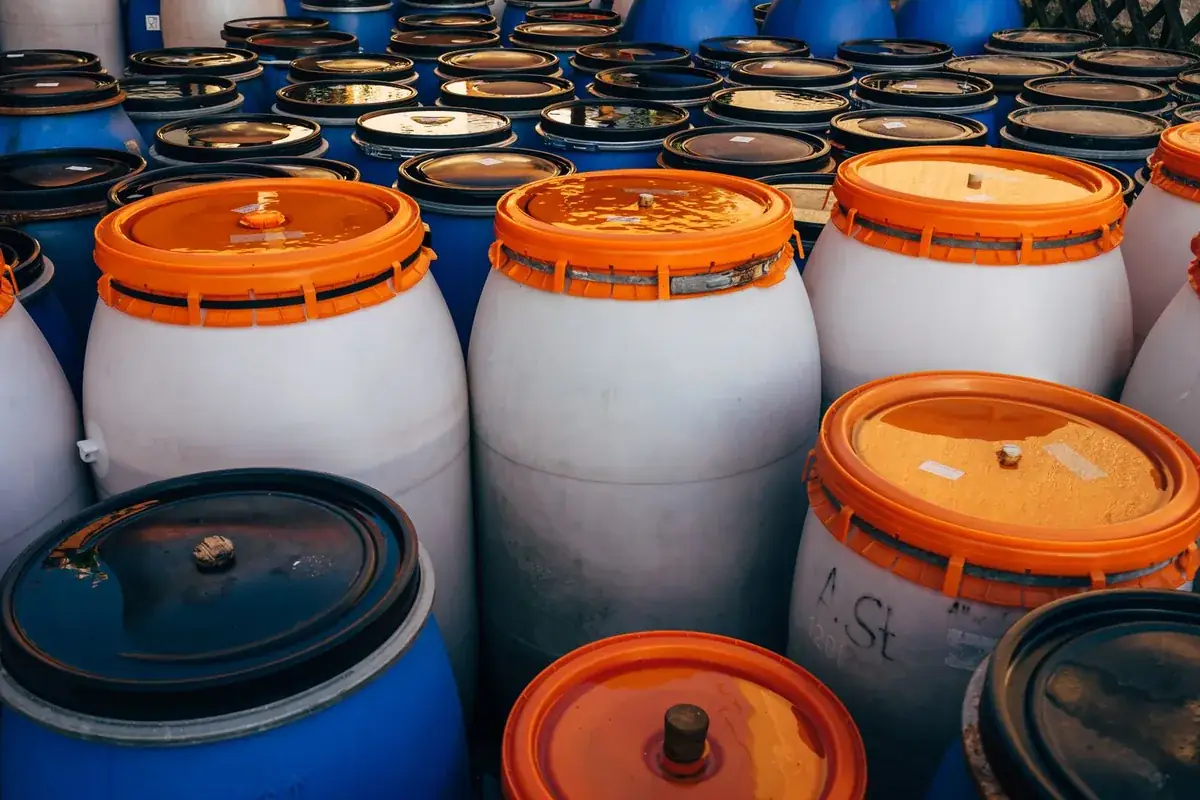
Sharps removal for a property owner means getting a vacant lot, rental or business cleared of discarded needles so people can use the space again without worry.
Need careful syringe removal in Harlem or nearby communities in Hendry County? Call Harlem Biohazard Cleanup Help. Cleanup technicians follow the OSHA Bloodborne Pathogens Standard, 29 CFR 1910.1030, when sharps are involved, so you do not have to touch them.
With roughly 62% of Harlem households renting, turnover is common and units are checked between tenants. After a needle stick, wash with soap and water and get medical care. Hendry Regional Medical Center in Clewiston is the closest emergency room to Harlem.
A typical needle & sharps cleanup job includes:
The team explains how to avoid sticks, what to do if someone is exposed and who should stay out of the area.
Cleanup technicians wear puncture-resistant gloves, eye protection and boots for the sweep.
Everything is hauled off as regulated waste. Nothing is thrown out with household trash.
Containers go to a facility that treats medical waste, and the owner can ask for a record of what was found.
The cost of needle & sharps cleanup in Harlem, FL depends on the amount of material, how it is packed and how it is hauled.
Repeat sweeps cost differently from one-time jobs. A property where needles keep appearing may do better with a schedule.
| Type of job | Typical range |
|---|
Published ranges only (); every needle & sharps cleanup job in Harlem is priced after an on-site look. Price drivers include number of items, where they are found, whether a sweep of a large area is needed, waste disposal. Questions? Call (877) 812-4220.
Do not go in to look. Report it to the owner, the local health department or a cleanup team. A team can sweep the whole building in protective gear, remove the sharps and give the owner a record of the work.
Loose needles should not go in household trash, because they can stab sanitation workers. Rules for small amounts of household sharps vary by city and county. The local health department can say what is allowed, and a cleanup team can take larger amounts.
It is a rigid, puncture-resistant box with a locking lid, made to hold needles, syringes, lancets and blades. Cleanup teams use them to seal sharps for transport. Containers should not be overfilled or opened again once locked.
Sometimes. Some homeowners and renters policies cover cleanup after a covered event, and many do not cover needles on their own. Call your insurance company before work starts, take photos from a safe spot, and keep every receipt. Check your policy rather than assuming.
Yes. Dogs and cats may sniff, chew or step on sharps. Keep pets away from the area until a cleanup team has searched it. If a pet is stuck or swallowed something, call a veterinarian right away.
The crew searches the whole area with protective gear and tools. It collects each sharp into a puncture-resistant container, cleans surfaces where sharps lay, and hauls the sealed containers away. A final walk checks that nothing was missed, and the team can provide a record.
Do not pick it up. Call and let a cleanup team remove it safely.
Call (877) 812-4220